
Most Aussie punters who sit down for a keno card reckon certain spot patterns tilt the odds in their favour. The reality is quieter: every selection is drawn from the same fixed pool, so the probability of hitting a spread depends on how many spots you mark and how many balls are pulled, not on whether those spots form a diamond, line or cluster on the ticket. When you actually walk through registration, verification and that first deposit at a site built on a newer playground design philosophy, the maths stays the same while the interface just tries to keep you settled longer. We test these sessions the same way we build community growth around the Stake and Kick ecosystem – by watching how a real player moves from signup to first play, not by chasing fairy tales about lucky shapes.
How a First Session Unfolds Around Keno Spot Patterns Winning Probabilities
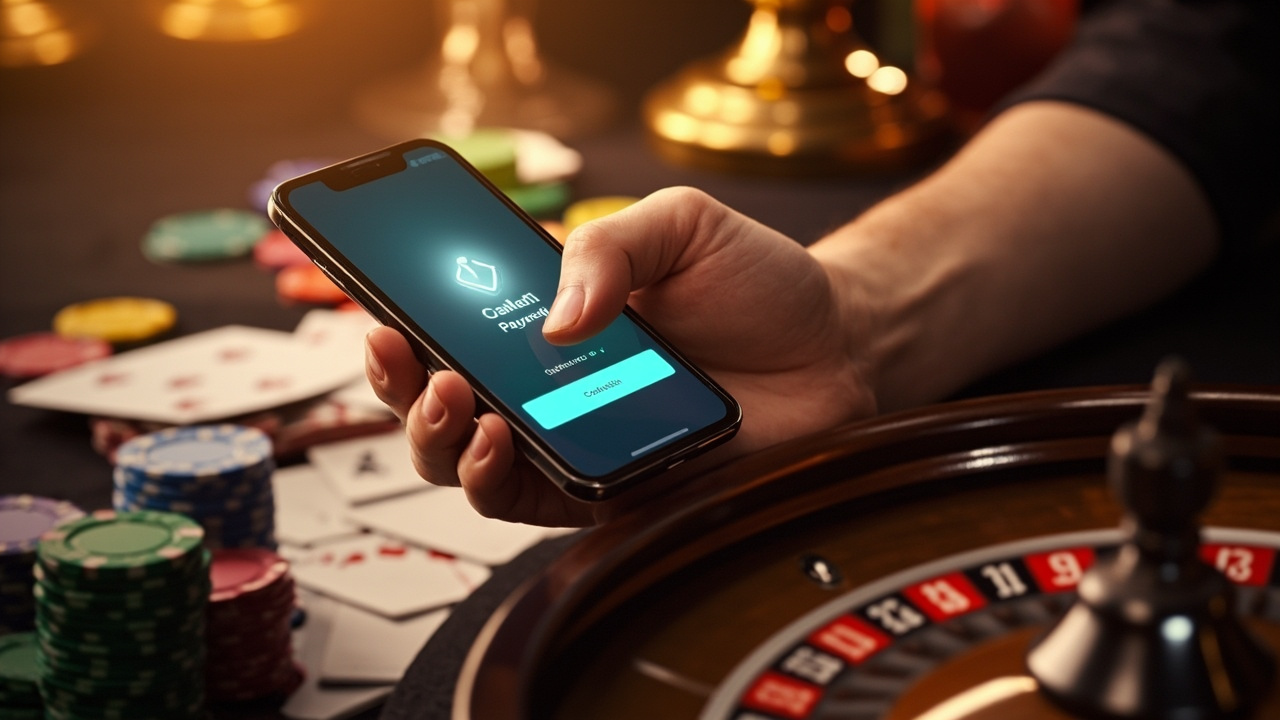
Registration on a well-run platform starts with a clean form ozwincasinobonuscodes.org and a clear eligibility check, usually asking you to confirm you are eighteen or older and physically located in Australia. Verification follows before any real-money play, with ID and a quick payment method check that keeps the account tidy without dragging out the process. Once you are through, the first deposit is where most newcomers pause, and a sensible operator will let you activate any welcome bonus through a transparent steps panel rather than burying it behind pop-ups. I have spent years tuning acquisition funnels for social and community channels, and the pattern is consistent: players who understand the bonus terms before their first session stay calmer and make better choices than those who chase a headline figure. On a site that leans into that open, pleasant playground layout, the keno lounge sits in a relaxed corner with clear paytables and a steady rhythm, so your first card feels like a measured session instead of a rush. When you mark eight spots and the draw pulls twenty balls from eighty, the probability of catching several of your numbers is fixed by combinatorics, not by the visual pattern on the ticket, and the interface simply shows the result without pretending otherwise.
Why the Pattern Myth Persists and What the Numbers Actually Say
The Misconception That Visual Clusters Change the Draw
A common misconception is that grouping your selections into a straight line, a cross or a tight block somehow improves your chances, because the pattern looks deliberate and the wins feel more satisfying when they line up. The reality is more nuanced: the draw machine has no memory of your ticket layout, and each ball is independent of the last, so a scattered selection and a neat row carry the same underlying probability for any given hit count. What does change is the payout structure, because keno paytables reward the number of matches, not the geometry, so a player chasing a pretty pattern is really just choosing which set of spots to risk on a fixed odds curve. I judge this the same way I weigh community growth campaigns – a clean story travels fast, but the retention comes from showing people the actual mechanics, not wrapping them in a slick narrative. When a platform explains that a five-spot catch on a twenty-number draw has a specific probability regardless of arrangement, players usually settle into smarter ticket sizes instead of redrawing the same shape and hoping the universe notices.
What the Probabilities Mean for Your Ticket Size
The practical takeaway is that keno spot patterns winning probabilities are driven by how many spots you mark and how many catches you need to trigger a payout, so a smaller ticket with fewer spots typically gives you more frequent small returns while a larger spread pushes the odds toward rarer, bigger pays. A sensible first session uses the paytable as the real map, checking the minimum matches required and the return at each tier before committing to a pattern that looks memorable. If you are comparing operators, it helps to read a straight account of how probability shapes your casino strategy rather than relying on colourful claims, because the same draw mechanics show up across different lobbies and the differences are usually in presentation, limits and support speed. Eliza Morris, Affiliate Partnerships Director, Harbour City Gaming Review, has noted that players who start with the paytable and a modest ticket size tend to understand their session budget faster than those who chase a visually striking layout, and that is the kind of grounded read I look for when I assess a new lounge. The numbers do not care about your pattern, but they do reward a player who knows exactly what probability they are buying into before the first ball drops.How Probability Shapes Your Casino Strategy
Linking the Probabilities to How You Actually Play
For an Aussie player, the useful question is not whether a pattern is lucky but whether the session fits the way you want to spend an arvo without blowing past a limit you meant to keep. A clear registration flow, a verification step that does not drag, and a first deposit that lets you activate a bonus with readable terms all matter because they keep the maths visible while you play. Operators that use the newer playground design philosophy tend to place the keno paytable and ticket selector in open spaces with a calm pace, which helps you notice the probability trade-offs instead of getting lost in bright noise. On the Gold Coast, where a long session can easily run into a sunset session at the nearby tables or a quick walk along the broad beaches, a keno card that matches your budget and your patience feels a lot better than one that promises a shape-based edge it cannot deliver. Payment options in AUD, a mobile layout that keeps the same paytable readable on a phone, and support that answers without waffle all feed into the same goal: a session where you know the probability you are playing and can walk away on your own terms.https://spinfevercasinoreviewau.com
A solid keno spot patterns winning probabilities read starts with the paytable, a modest ticket size and a clear view of the draw mechanics, because the pattern on your card is a personal choice, not an odds advantage. Pick a platform with straightforward registration, honest bonus activation and a calm lounge layout, keep your spend in AUD, and treat the visual spread as a preference rather than a probability trick.