
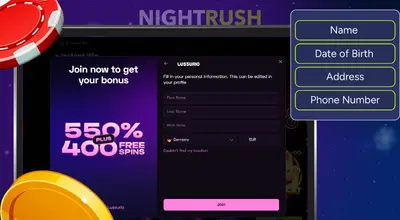
Choosing between casino games on phone and desktop is mainly a question of comfort, screen size and how you browse. The browser-based service described at casino lussurio is presented as compatible with modern smartphones, tablets and desktop computers, so Canadian users can consider the same general browsing route across devices. The practical difference is not simply whether games load, but how easily you can navigate categories, read terms, manage account settings and maintain a clear view of the session.
What changes when the same casino is opened on a phone?
A phone is usually the most convenient option for short browsing sessions. A modern mobile browser can provide access to slots, table games, live-dealer content, promotions, account areas and cashier functions without requiring a computer. This is useful when you want to check a game category during a commute, compare titles while away from home or use a smaller device that is already familiar. The experience described for this platform is instant-play through a browser, rather than dependent on a separate desktop installation.
Small screens, however, change the way information is presented. Menus may collapse into icons, game tiles may appear in a single column and promotional text may require more scrolling. A title can look attractive in a compact thumbnail while its rules, paytable or feature details remain several taps away. Live casino tables may also feel more crowded because the video window, chat controls and betting interface must share limited space. Before choosing a game, rotate the device if needed and check that the important buttons and information remain visible.
Phone browsing also depends more heavily on connection quality, battery life and browser permissions. A weak mobile signal can interrupt live content or make a category feel slow, while an older device may struggle with animation-heavy games. Keep the operating system and browser updated, use a private device where possible and avoid saving passwords on a shared phone. These simple habits make mobile access more dependable without assuming that every phone will deliver the same performance.
When does a desktop provide the clearer experience?
A desktop computer generally makes game discovery easier because more content can fit on the screen at once. Category navigation, provider filters and game tiles can remain visible together, reducing repeated back-and-forth movement. This matters when browsing a large catalogue that includes slots, roulette, blackjack, baccarat, bingo, keno, scratch cards, instant-win titles and crash games. A wider display can also make it simpler to compare several games before opening one.
Desktop access is particularly useful for reading detailed information. Rules, betting controls, bonus conditions and account notices may be easier to examine when the text is not compressed into a narrow mobile layout. Live-dealer games can benefit from the larger video window, especially when you want to see the table, dealer actions and available controls at the same time. A physical keyboard may also make it easier to enter login or support details, although it does not remove the need to protect credentials.
The trade-off is convenience. A desktop ties browsing to a particular room and usually requires more preparation than opening a browser on a phone. It may also be shared with other household members, which creates privacy concerns around saved sessions, browsing history and account notifications. Sign out when finished, avoid leaving an account open and use a separate browser profile if the computer is shared. Desktop is often the better choice for careful comparison, while a phone is usually better for quick access.

How should you compare navigation, play and account tasks?
Start by separating three activities: discovering games, playing them and managing the account. Phones can be efficient for opening a known title or checking a familiar category, but desktop screens often make discovery more orderly. If you are browsing by provider, jackpot type or game category, look for filters that remain easy to locate. If you are checking a specific slot or table game, confirm that the paytable and rules are available before treating a short preview as enough information.
Account tasks deserve a separate comparison. Mobile browsers can display login, verification and cashier areas, but forms may require more scrolling and document uploads may be less convenient. Desktop computers can make it easier to review personal details, read account notices and organise identity or payment documents. Verification requirements may include identity evidence, proof of address and confirmation of payment-method ownership, so use a secure device and submit only what the operator specifically requests.
Use the following practical test before settling on one device:
- Can you find the game category without repeated searches?
- Can you read the rules, paytable and promotional conditions comfortably?
- Are responsible-play controls and account settings easy to locate?
- Does the device remain responsive during animation or live video?
- Can you leave the session securely without another person accessing it?

If a phone passes these checks, it may be entirely suitable for ordinary browsing. If several answers are no, move the more detailed work to a desktop rather than forcing a cramped interface.
Which device is better for privacy and safer browsing?
Neither device is automatically safer. Security depends on the operating system, browser, network and user habits. A personal phone with a screen lock and current updates can be safer than an outdated shared computer. Conversely, a desktop on a trusted home network may provide a more stable environment for reading account information than a phone connected to an unsecured public Wi-Fi network.
Canadian users should treat mobile and desktop browsing as online account activity, not merely entertainment. The Canadian government’s cyber-safety guidance offers general advice on protecting accounts and devices. Apply those principles by using a unique password, enabling available security features, checking the address bar before entering credentials and avoiding unexpected messages that request documents or payment information.
Privacy also includes what happens after the session. Do not allow a shared browser to remember passwords, and review downloads after uploading verification files. On a phone, check whether notifications reveal account messages on the lock screen. On either device, avoid installing an unofficial application simply because a directory claims one exists. The available material confirms browser compatibility, but it does not establish a verified iOS App Store or Google Play application. Browser access and a native app should therefore be treated as different things.
Make the choice according to the session you actually want
Choose a phone when flexibility matters most. It is well suited to checking categories, opening familiar games and browsing while away from a desk. A tablet can offer a middle ground, providing more room than a phone while retaining touch controls and portability. Before starting, close unnecessary tabs, charge the device and use a reliable connection, especially for live content. These steps improve usability but cannot guarantee uninterrupted service.
Choose a desktop when the task involves comparison, detailed reading or account administration. The larger display is useful for reviewing game information, checking conditions and handling documents. It may also be preferable for live games where visual space affects how comfortably you follow the table. Keep expectations realistic: a larger screen does not change game probabilities, guarantee a particular result or confirm that every listed title is available in every account or jurisdiction.
The most practical approach is to use each device for its strengths rather than searching for one universal winner. Browse and compare on desktop when you need clarity, then use a phone for convenient access if the layout remains readable and secure. Check the operator’s current terms, device requirements and account conditions before relying on any feature. If a screen feels rushed, confusing or difficult to control, switching devices is a sensible decision rather than a technical failure.
Phone and desktop browsing questions
Is a dedicated mobile app required?
No. The available information describes browser-based access on modern smartphones and tablets, so an app is not presented as necessary. Some directories may label the service as having an application, but no verified iOS or Android store listing is established. Treat a native app as unconfirmed unless an official source provides it.
Can a phone handle live-dealer games?
Modern phones may support browser-based live-dealer content, but performance depends on the device, browser and connection. Video can consume substantial data and battery power, while a small display may make table controls less comfortable. Test the layout cautiously, and switch to a larger screen if the video or controls are difficult to follow.
Which device is better for checking account information?
A desktop is usually more comfortable for reading notices, reviewing conditions and organising requested documents because its larger screen reduces scrolling. A secure personal phone can still be suitable for routine access. Whichever device you use, protect credentials, avoid shared sessions and verify that account messages come from a trusted source.