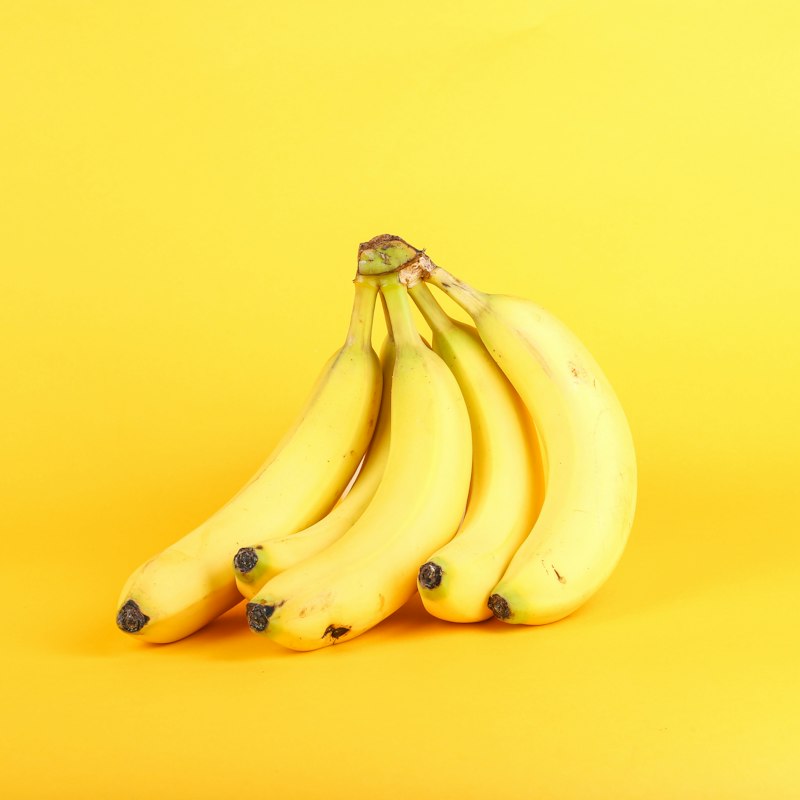
What Is Bananzia?
Bananzia is a term that has been gaining traction in UK food and lifestyle circles, often used to describe a particular approach to cooking with bananas or a banana-based product range. While it may not be a household name yet, many people are curious about whether it lives up to the hype. In this article, we’ll explore the pros and cons of Bananzia so you can decide if it’s worth your time and money.
Weighing up the positives and negatives is essential, and bananzia has both strengths and a few drawbacks worth noting.
Pros of Bananzia
One of the biggest advantages of Bananzia is its versatility. Whether you’re a fan of smoothies, baked goods, or savoury dishes, bananas can be incorporated in numerous ways. Bananzia often emphasises using ripe bananas, which are naturally sweet and can reduce the need for added sugar in recipes. This makes it a hit among health-conscious individuals looking to cut down on refined sugars.
Another pro is the nutritional profile. Bananas are rich in potassium, vitamin B6, and fibre, all of which contribute to heart health, digestion, and energy levels. If Bananzia encourages more people to include this fruit in their diet, that’s a clear win for public health.
Cost-effectiveness is also a plus. Bananas are relatively inexpensive in the UK, and Bananzia-friendly recipes often use simple, affordable ingredients. This makes it accessible to a wide range of budgets, from students to families.
Finally, Bananzia can be a creative outlet. It encourages experimentation with flavours and textures, from banana bread with walnuts to banana-based ice cream. For those who enjoy cooking, it adds a fun twist to everyday meals.
Cons of Bananzia
On the flip side, Bananzia isn’t without its downsides. One common criticism is the high sugar content of very ripe bananas. While natural, it can still spike blood sugar levels, which is a concern for people with diabetes or those following a low-sugar diet. Moderation is key.
Another con is the potential for monotony. If you’re not careful, relying too heavily on bananas can make your diet repetitive. Variety is important for getting a wide range of nutrients, so Bananzia should be part of a balanced diet, not the whole picture.
Texture can also be an issue. Some people dislike the mushy consistency of ripe bananas, especially in cooked dishes. If you’re sensitive to textures, Bananzia might not be for you.
Lastly, there’s the environmental angle. Bananas are often imported from countries like Ecuador and Colombia, contributing to carbon emissions. While some UK suppliers focus on sustainable sourcing, it’s worth checking where your bananas come from if eco-friendliness matters to you.
Key Considerations Before You Try Bananzia
Before diving into Bananzia, think about your dietary needs, taste preferences, and ethical priorities. Here’s a quick list to help you weigh things up:
- Health goals: Are you looking to reduce sugar or increase fibre? Bananzia can help or hinder depending on how you use it.
- Budget: Bananas are cheap, but specialty Bananzia products might be pricier.
- Time: Some recipes are quick, others require baking or freezing.
- Sustainability: Look for Fairtrade or organic bananas if this is important to you.
- Variety: Ensure you’re still eating a wide range of fruits and vegetables.
Is Bananzia Worth It?
Ultimately, Bananzia offers a mix of benefits and drawbacks. Its strengths lie in versatility, nutrition, and affordability, while its weaknesses include sugar content, potential monotony, and environmental impact. For most people, enjoying Bananzia in moderation as part of a varied diet is a sensible approach. If you’re creative in the kitchen and mindful of your choices, it can be a enjoyable and healthy addition to your routine.
For more inspiration on cooking with bananas and other wholesome ingredients, explore trusted UK recipe resources. With a bit of planning, you can make Bananzia work for you.